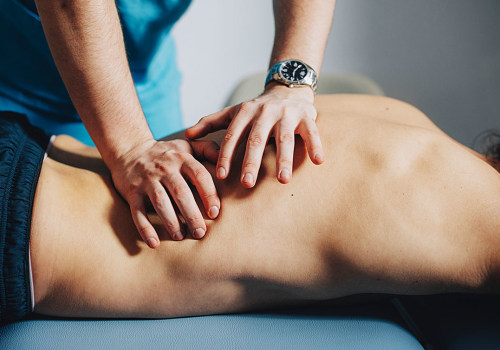
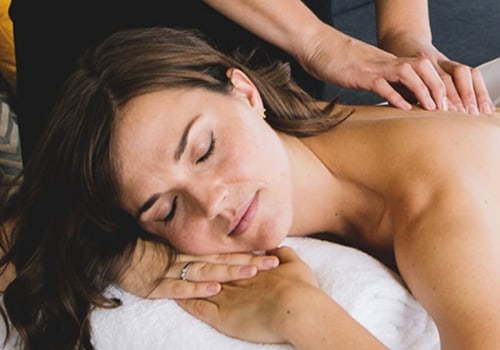
Massage therapy involves the manipulation of soft tissues and is commonly used to promote relaxation, support comfort, and encourage awareness of physical tension. For many people, massage can provide an opportunity to pause from demanding routines and focus on physical well-being. Stress can contribute to muscle tension, fatigue, difficulty relaxing, and disrupted sleep, so activities that encourage relaxation may have a valuable place in a balanced lifestyle. However, massage therapy should not be considered a universal treatment for stress or a replacement for medical or psychological care. Its potential role is best understood as one part of a broader approach that combines healthy habits, appropriate professional support, and strategies tailored to individual needs.
Supporting the Body During Stress
Stress can affect the body in several ways, including increased muscle tension and changes in sleep, energy, and physical comfort. Massage may help some individuals become more aware of areas where they hold tension and provide a calming experience. The effects of massage can vary depending on the type of massage, frequency, individual preferences, and overall health. People may choose massage as part of a self-care routine, particularly when they find it helpful for relaxation. Maintaining other healthy behaviors remains important, including regular physical activity, adequate sleep, balanced nutrition, hydration, and taking breaks during busy periods. These habits can work together to create a stronger foundation for managing everyday physical and emotional demands.
Developing Healthy Stress-Management Skills
Healthy stress management involves more than finding temporary relief from tension. Individuals can benefit from developing a collection of coping strategies that can be used in different situations. Deep breathing, mindfulness, gentle exercise, journaling, spending time outdoors, listening to music, and maintaining supportive relationships are examples of practices that may promote relaxation. Scheduling enjoyable activities can also help create balance when responsibilities become demanding. Massage therapy may complement these strategies by providing dedicated time for relaxation, but it works best when it fits into a sustainable routine rather than becoming the only method of managing stress. Identifying personal stress triggers and recognizing early signs of overwhelm can also make it easier to respond before stress becomes more difficult to manage.
Connecting Physical and Emotional Wellness
The relationship between physical tension and emotional stress highlights why whole-person wellness can be valuable. Persistent stress may affect mood, sleep, concentration, relationships, and motivation, while physical discomfort can make stressful situations feel more difficult to manage. Addressing both areas can support a more comprehensive approach to well-being. Individuals who experience ongoing anxiety, low mood, or significant difficulty coping may benefit from speaking with a qualified mental health professional. Resources such as Cabot Psychological Services can provide psychological support for individuals seeking help with emotional wellness and healthier coping strategies. Psychological care and massage therapy have different purposes, but both may fit within a broader self-care plan when used appropriately.
Creating a Sustainable Wellness Routine
Before receiving massage therapy, individuals should communicate relevant health information to their massage therapist and healthcare provider, particularly if they have injuries, medical conditions, or other concerns that could affect treatment. Professional guidance can help determine whether massage is appropriate and what type of approach may be suitable. Ultimately, the connection between massage therapy, relaxation, and stress management is best viewed through the broader lens of personal wellness. Massage can offer some individuals a structured opportunity to relax and reconnect with their physical well-being, while healthy routines provide ongoing support between sessions. By combining relaxation practices, regular movement, sufficient rest, meaningful relationships, healthy boundaries, and professional support when needed, individuals can build a more balanced approach to managing stress and supporting long-term physical and emotional well-being.