The Role of Massage Therapy in Addiction Recovery
Recovery from addiction is a multifaceted journey requiring a combination of medical, psychological, and holistic approaches. At Anchor Point Addiction Center in Philadelphia, Pennsylvania, individuals receive comprehensive, evidence-based addiction treatment tailored to their unique needs. While some people choose to incorporate complementary wellness practices, such as massage therapy, into their overall recovery plan, these approaches should be used alongside professional treatment rather than as a replacement for it.
Understanding the Potential Benefits of Massage Therapy
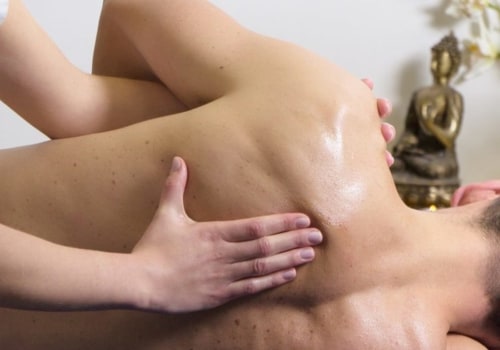
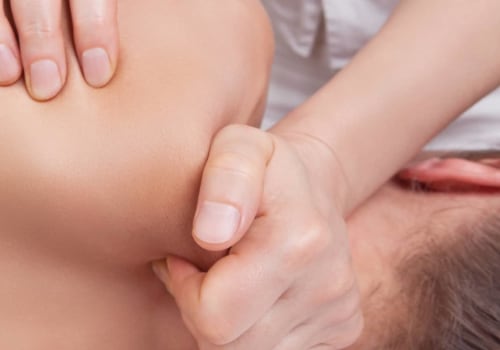
Massage therapy is often used as a complementary wellness practice that may support physical and emotional well-being during recovery. Some potential benefits include:
- Stress Reduction: Massage may promote relaxation and help reduce stress, which can be beneficial for individuals navigating the challenges of recovery.
- Physical Comfort: Some people find that massage helps relieve muscle tension and promotes circulation, contributing to overall physical comfort.
- Emotional Well-Being: Massage may encourage relaxation and support an improved sense of well-being when incorporated into a broader self-care routine.
Using Complementary Wellness Alongside Professional Treatment
Evidence-based addiction treatment remains the foundation of recovery. Complementary wellness practices, such as massage therapy, may be incorporated into an individual's overall wellness routine when appropriate and with guidance from their healthcare team. These practices are intended to support—not replace—professional addiction treatment.
Q: Can massage therapy support addiction recovery?
A: Massage therapy may help promote relaxation, reduce stress, and support overall well-being as part of a broader recovery plan, but it should complement—not replace—professional addiction treatment.
Evidence-Based Addiction Care in Philadelphia
Located in the heart of Philadelphia, Anchor Point Addiction Center provides individualized, evidence-based addiction treatment designed to support long-term recovery. The experienced team focuses on addressing the physical, emotional, and behavioral aspects of substance use disorders through personalized care.
As a trusted addiction center, Anchor Point encourages individuals to discuss any complementary wellness practices they are considering with their treatment team so they can be safely incorporated into an overall recovery plan when appropriate.
Considering Massage Therapy During Recovery
If you're interested in incorporating massage therapy or other complementary wellness practices into your recovery journey, consider these steps:
- Speak With Your Treatment Team: Discuss whether massage therapy is appropriate for your individual recovery plan.
- Choose Qualified Providers: If you pursue massage therapy, seek a licensed massage therapist experienced in working with clients with diverse health needs.
- Use It as a Complement: Continue participating in your prescribed addiction treatment program while using wellness practices as supportive tools.
Supporting Long-Term Recovery
Recovery is most effective when built on evidence-based treatment and personalized support. While complementary wellness practices like massage therapy may help some individuals manage stress and improve overall well-being, professional addiction treatment remains the cornerstone of lasting recovery.
To learn more about evidence-based addiction treatment options, contact Anchor Point Addiction Center in Philadelphia. Their team can help you explore a personalized path toward recovery.