Many people associate muscle tension with strenuous exercise, physically demanding jobs, or sudden injuries, yet one of the most overlooked contributors is the collection of small posture habits repeated throughout the day. Whether sitting at a desk, looking down at a smartphone, standing unevenly while waiting in line, or leaning to one side while driving, these seemingly harmless positions gradually place uneven stress on muscles and joints. Unlike acute injuries that produce immediate pain, poor posture often develops into chronic muscle tightness so gradually that individuals begin to accept stiffness as a normal part of everyday life. Over time, muscles that are repeatedly shortened become less flexible, while opposing muscle groups weaken from lack of proper engagement. This imbalance creates a chain reaction that affects the neck, shoulders, back, hips, and even the legs, making everyday activities feel more physically demanding than they should.
Why Repetition Matters More Than Intensity
One of the hidden aspects of posture-related muscle tension is that repetition often has a greater impact than intensity. Holding a mildly awkward position for several hours each day can place more cumulative stress on the body than a brief period of heavy lifting. Office workers, students, commuters, and even individuals working from home frequently spend long periods in static positions without realizing how little they move. As muscles remain contracted to support these postures, blood circulation can decrease, reducing the delivery of oxygen and nutrients needed for healthy muscle function. At the same time, metabolic waste products accumulate within muscle tissue, contributing to feelings of soreness, fatigue, and tightness. Regular movement breaks, stretching, and ergonomic adjustments can significantly reduce these effects by encouraging muscles to alternate between contraction and relaxation instead of remaining under constant strain.
The Body Functions as an Integrated System
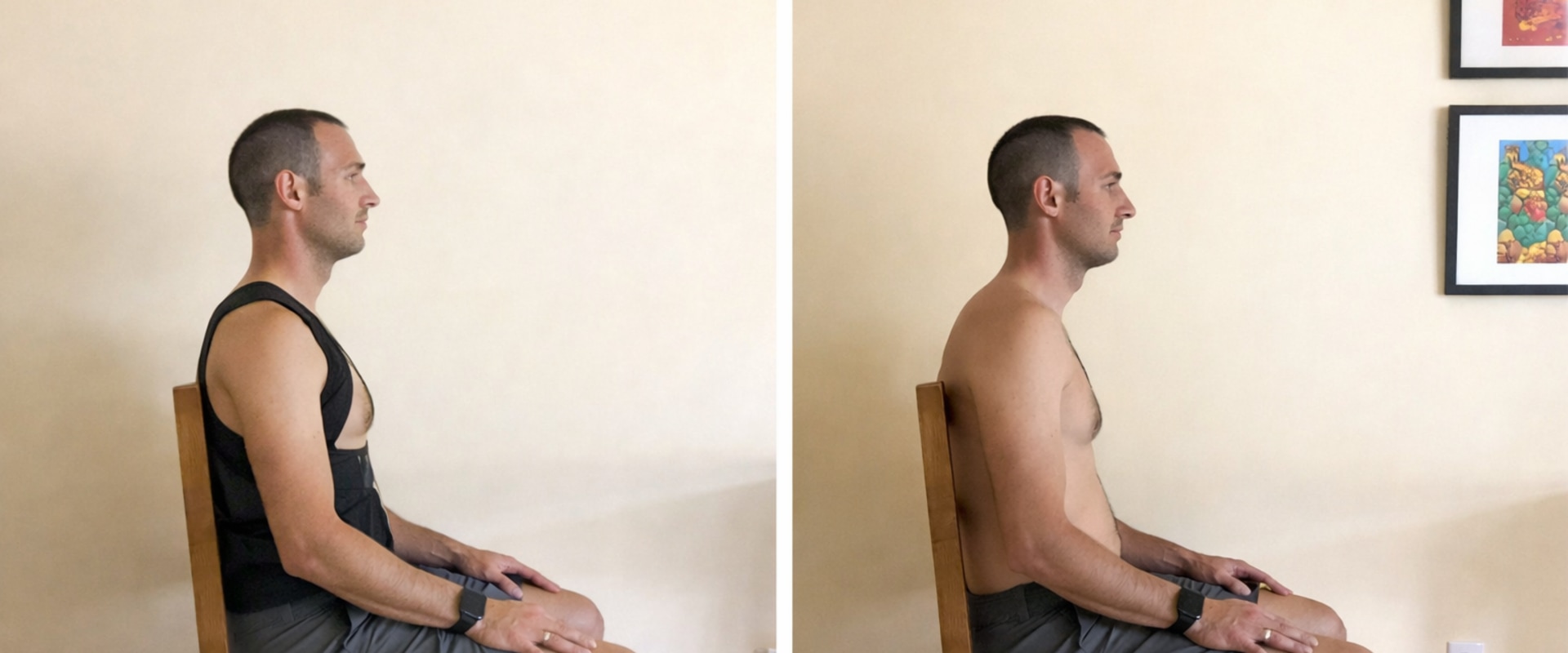
Another rarely discussed factor is that posture influences the entire musculoskeletal system rather than isolated body parts. A forward head position, for example, may increase strain on the neck while simultaneously changing shoulder alignment, altering spinal curvature, and affecting hip positioning. These adjustments often occur unconsciously as the body attempts to maintain balance, but they frequently lead to compensatory muscle tension elsewhere. Someone experiencing persistent shoulder tightness may actually have posture habits that originate in the pelvis or lower back. Likewise, discomfort in the hips can eventually influence walking patterns and place additional stress on the knees or ankles. Understanding these interconnected relationships helps explain why treating only the area that hurts may provide temporary relief while failing to address the underlying mechanical patterns that continue producing tension. For individuals seeking long-term improvements in posture and movement quality, Specific Chiropractic structural correction in Manhattan represents one example of an approach that focuses on restoring balanced structural alignment rather than simply masking discomfort.
Building Healthier Daily Movement Patterns
Creating healthier posture habits does not require maintaining a perfectly rigid position throughout the day. In fact, movement variety is often more beneficial than attempting to remain perfectly upright for extended periods. Alternating between sitting and standing, adjusting workstation height, taking short walking breaks, strengthening core and postural muscles, and becoming more aware of body positioning throughout daily routines all contribute to reducing unnecessary muscle tension. Consistency is ultimately more valuable than perfection because the body continually adapts to repeated movement patterns. As healthier habits replace less efficient ones, muscles begin sharing workloads more evenly, joint mobility improves, and physical fatigue often decreases. Over weeks and months, these gradual improvements can enhance comfort during work, recreation, exercise, and rest, demonstrating that everyday posture choices play a far greater role in long-term muscle health than many people realize.